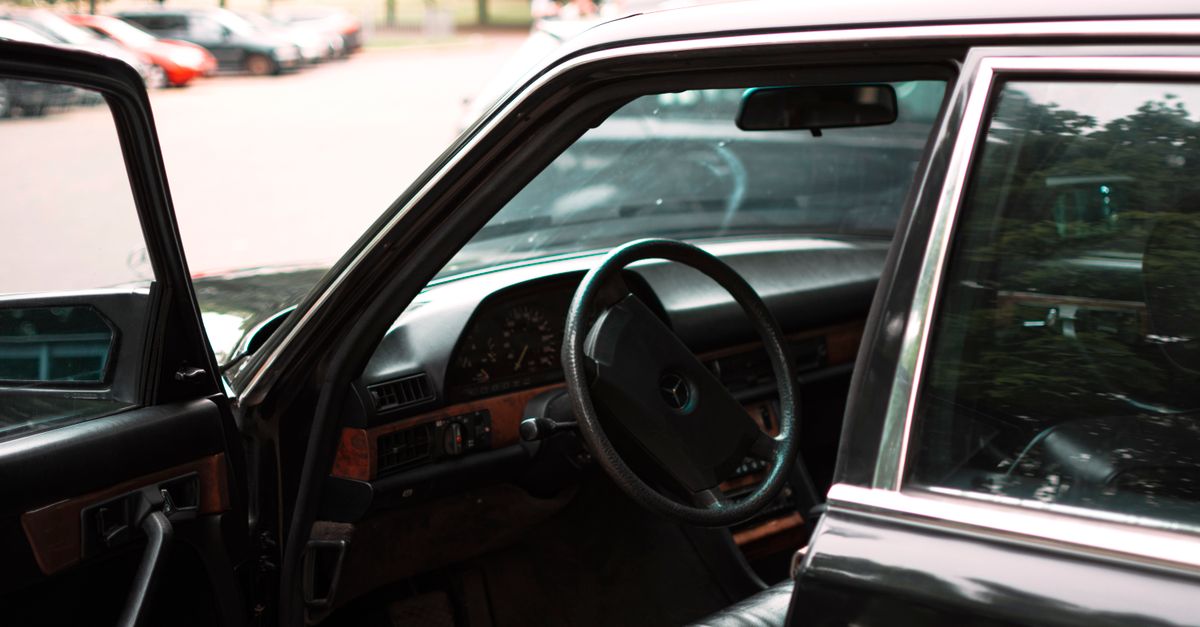
Why Your Car Windows Are Fogging Up (And The Simple Fixes Most Drivers Miss)
You’re running late for work, the coffee’s hot, and then it happens: your car windows transform into opaque canvases of condensation. You blast the defroster, wipe furiously with your hand, but it just smears, leaving you peering through a hazy porthole. It’s frustrating, dangerous, and a daily annoyance for many, especially during colder or humid months. Most drivers simply hit the ‘defrost’ button and hope for the best, but in my experience, that’s often a band-aid, not a solution. The real reasons your car windows fog up are usually simple, overlooked culprits that, once addressed, can save you precious minutes and improve your driving safety significantly.
I’ve spent countless hours in various vehicles, from old sedans battling internal moisture to newer models mysteriously clouding up. I’ve heard all the common advice—‘just turn on the AC!’—but what truly changed my approach was understanding the science behind the fog. It’s not just about temperature; it’s about a delicate balance of moisture, temperature, and airflow, often disrupted by factors hiding in plain sight. This isn’t a surface-level guide; it’s about getting to the root causes and implementing fixes that genuinely work.
Key Takeaways
- Interior moisture, not just exterior cold, is the primary driver of window fogging; target sources like damp carpets and leaky seals.
- The ‘defrost’ button alone often recirculates moist cabin air, making the problem worse; always combine it with air conditioning and fresh air intake.
- A dirty windshield attracts moisture and exacerbates fogging; a meticulous cleaning with specific products can make a significant difference.
- Overlooked issues like clogged cabin air filters and faulty blend doors drastically reduce defroster effectiveness.
The Overlooked Culprit: Excess Interior Moisture
The fundamental principle behind window fogging is simple physics: warm, moist air inside your car meets a colder window surface, causing the moisture to condense into tiny droplets. While the outside temperature is a factor, the real battle is often against excess moisture trapped within your vehicle’s cabin. In my experience, this is the number one reason why defrosters struggle, and it’s where most drivers miss the mark.
Think about it: where does this moisture come from? We inadvertently bring it in every day. Wet shoes from rain or snow, damp umbrellas, sweaty gym bags, spilled drinks, even our own breath on a cold morning. A friend of mine swore his old sedan was haunted by fog until we found a small leak under his back seat, slowly saturating the carpet padding. It wasn’t visible, but it was releasing moisture constantly, turning his windows into a persistent haze. He spent years blaming the cold weather when the issue was literally under his nose.
What Actually Works:
Dry Out Your Interior Rigorously: If you live in a wet climate or frequently track in moisture, invest in heavy-duty rubber floor mats that contain water, rather than letting it soak into the carpet. Periodically remove all floor mats, vacuum the carpet, and let your car air out on a dry, sunny day with the windows down. If you suspect deeper moisture (like after a minor flood or a persistent leak), you might need a shop-vac to extract water from the carpet and professional drying, or a dehumidifier placed inside the car overnight (with windows slightly cracked for safety and to vent the collected moisture). I personally keep a small, rechargeable dehumidifier in my car during peak rainy season, emptying it every few days—the amount of water it collects is astonishing.
Inspect for Leaks: Don’t assume your car is sealed. Check door and window seals for cracks or gaps, especially after a vehicle has aged. A small crack in a rubber seal can allow water to seep into the door panel or floor pan, creating a hidden reservoir of moisture. Even a clogged sunroof drain can route water into your cabin. If you find a leak, don’t delay the repair. The cost of replacing a weatherstrip is far less than the long-term damage of chronic moisture, which can also lead to mold and unpleasant odors.
Use Desiccants: For persistent, low-level moisture, desiccant packs are surprisingly effective. Products like silica gel pouches or specialized car dehumidifiers (often charcoal-based) absorb ambient moisture. While not a fix for a major leak, they can keep your cabin air drier overall. I place a few larger desiccant bags under the seats and in the trunk, rotating them out to dry or recharge as needed. This simple step reduced my fogging significantly in the Pacific Northwest.
The Misunderstood Defroster: Recirculation vs. Fresh Air
Most drivers instinctively hit the ‘defrost’ button. What many don’t realize is that this often engages the air conditioning (AC) compressor (even in winter, as AC dries air) but can also default to recirculating cabin air. If your cabin air is already saturated with moisture (refer back to point one!), recirculating it just moves the problem around, making the fog worse or delaying its dissipation.
The AC’s job isn’t just to cool; it’s also a powerful dehumidifier. It pulls moisture out of the air as it passes over the cold evaporator coils. When you hit defrost, the system attempts to dry the air, then heat it, and direct it at the windshield.
What Actually Works:
Always Combine Defrost with Fresh Air: When your windows are fogged, the first step isn’t just ‘defrost.’ It’s
defrost + AC ON + fresh air intake ON. This pulls drier air from outside (which is often less humid than your fog-laden cabin, especially if it’s cold outside), dries it further with the AC, heats it up, and blasts it onto the windshield. This combination works much faster and more effectively than recirculation. Look for the button with the arrow cycling from outside into the car, not the circular arrow.Pre-emptively Dry the Air: On cold, damp mornings, I make it a habit to start my car a few minutes early with the defroster on full blast, AC engaged, and fresh air selected. This creates a dry, warm environment before I even get in and start breathing more moisture into the space. The few extra minutes can prevent a frustrating delay later.
Understand Your Blend Doors: Modern climate control systems use
blend doorsto mix hot and cold air and direct airflow. If a blend door motor is faulty (you might hear clicking or whirring behind the dash), air might not be directed fully to the windshield, or hot and cold air might not be mixing correctly. If your defroster feels weak even with the right settings, this is a prime suspect that often goes undiagnosed by quick mechanic checks. A diagnostic scan can sometimes pinpoint blend door issues.
The Hidden Problem: A Dirty Windshield
This is perhaps the most overlooked factor in persistent fogging. A seemingly clean windshield can still be coated with a thin, invisible film of grime from exhaust fumes, interior plastics off-gassing, cigarette smoke, or simply airborne dust. This film acts like a magnet for moisture.
Instead of condensing into large, clear droplets that roll off, water vapor coalesces into a uniform, opaque layer on this dirty film. It’s the difference between water beading on a freshly waxed car and water sheeting on a dirty one. The dirtier the glass, the more effectively it traps and holds the fog.
What Actually Works:
Deep Clean Your Interior Glass: This isn’t just a quick wipe. Use a dedicated automotive glass cleaner (ammonia-free, as ammonia can damage tinted windows and dashboards over time) and two clean microfiber cloths. Spray the cleaner sparingly on the first cloth, wipe the glass thoroughly, and then immediately use the second dry microfiber cloth to buff the glass until it squeaks. I often do a second pass, especially on the passenger side where the sun reveals more streaks. Pay close attention to the edges and corners. In my detailing days, this was the secret weapon against recurring fog.
Consider an Anti-Fog Treatment: For extreme cases or specific problem areas (like rear windows), an anti-fog treatment can be a game-changer. These products create a hydrophobic layer that prevents moisture from forming droplets, instead allowing it to disperse as an invisible film. Apply sparingly and buff thoroughly, following the manufacturer’s instructions. While not a replacement for a clean window, it provides an extra layer of defense. I find it particularly useful on my side windows when mirrors start to get obscured.
Regular Maintenance: Don’t wait for the fog to appear. Make interior glass cleaning a regular part of your car care routine, perhaps once a month or every few weeks. It’s a small investment of time that pays dividends in visibility and safety.
The Choking Hazard: Clogged Cabin Air Filters
Your car’s cabin air filter is your vehicle’s respiratory system. It traps dust, pollen, leaves, and other debris from the air entering your climate control system. Over time, this filter becomes clogged. A heavily clogged filter restricts airflow, meaning your defroster simply can’t push enough air onto the windshield to clear the fog efficiently.
Moreover, a dirty filter can harbor moisture itself, especially if it’s been exposed to damp conditions (e.g., driving through heavy rain). This wet filter then becomes an additional source of moisture being introduced into your climate control system, making the problem worse rather than better. Many drivers, myself included years ago, forget this filter even exists, leading to years of suboptimal climate control.
What Actually Works:
Check and Replace Your Cabin Air Filter Annually (or Sooner): The manufacturer’s recommendation is usually every 15,000 to 30,000 miles, but I personally recommend checking it at least once a year, or even twice if you drive in dusty environments or areas with heavy pollen. Replacing it is often a simple DIY job, usually located behind the glove box. When I replaced the cabin air filter in my wife’s SUV, the old one was black with debris and smelled faintly musty. The difference in airflow and defroster performance was immediate and dramatic.
Choose a High-Quality Filter: While a basic filter is better than none, a higher-quality filter (often with activated charcoal) can do a better job of trapping smaller particles and even odors, contributing to an overall cleaner and drier cabin environment. For a few extra dollars, the enhanced performance is well worth it.
The Advanced Tweak: Climate Control Habits
Beyond immediate fixes, adopting better climate control habits can significantly reduce the likelihood of fogging. This isn’t about one-time repairs but about consistent, mindful use of your car’s systems.
What Actually Works:
Run the AC Periodically, Even in Winter: As mentioned, the AC is a dehumidifier. Running it for 5-10 minutes every week, even on cold days, helps keep the system’s seals and components lubricated and prevents mold and mildew from building up in the evaporator coil. This ensures it’s always ready to dry the air when you need it most for defrosting.
Ventilate Your Car Before Parking: If you’ve been driving in wet conditions or with many passengers (whose breath adds moisture), crack your windows slightly for the last few minutes of your drive. This allows some of the moist, warm air to escape, reducing the condensation potential when the car cools down. This is particularly useful overnight.
Monitor Interior Temperature and Humidity: While you don’t need a dedicated hygrometer in your car, be aware of sudden temperature drops. Parking a warm, moist car in a cold garage or outside on a freezing night is a recipe for condensation. If you can, air it out before parking. For those prone to fogging, aiming for a slightly cooler, drier cabin overall through smart climate control can make a substantial difference.
Don’t Underestimate the Rear Defroster
While the front windshield is usually the priority, a fogged-up rear window can be just as dangerous. Most modern cars have an electric rear defroster, characterized by thin heating elements embedded in the glass.
What Actually Works:
Use It Proactively: Don’t wait for the rear window to be completely opaque. Activate the rear defroster as soon as you notice any haze. It’s designed to work quickly and is highly effective.
Avoid Scraping or Harsh Chemicals: The heating elements are delicate. Never use an ice scraper or abrasive cleaning products directly on them, as you can easily damage them. If a line stops working, it’s often due to a broken element, which can be repaired by a specialist but is best avoided through careful cleaning and maintenance.
Ensure Proper Function: If your rear defroster isn’t working, check the fuse first. Beyond that, it might be a wiring issue or a broken element, which would require professional diagnosis. A fully functioning rear defroster is non-negotiable for safe driving.
Frequently Asked Questions
Q1: Why does my car fog up even when it’s not cold outside?
A1: Fogging is primarily caused by a difference in temperature and humidity between the inside and outside of your car. Even on mild days, if the humidity inside your car (from breath, damp clothes, spills, or even a hidden leak) is significantly higher than the outside air, and your windows are cooler, condensation will form. The solution lies in drying out the interior and using your AC to dehumidify the cabin air, regardless of the outside temperature.
Q2: Is it bad to run the AC in the winter for defrosting?
A2: No, it’s actually highly recommended! Your car’s air conditioning system doesn’t just cool; it’s a powerful dehumidifier. Running the AC, even with the heat on, dries out the air in your cabin, making it much more effective at clearing condensation from your windows. It also helps keep the AC system’s components lubricated and prevents mildew buildup.
Q3: How often should I clean my car’s interior windows to prevent fogging?
A3: For optimal fog prevention, I recommend a thorough interior window cleaning at least once a month, or even every two weeks if you frequently drive in dirty or humid conditions. An invisible film of grime can accumulate quickly and acts as a magnet for moisture, exacerbating fogging.
Q4: Can a dirty cabin air filter really affect window fogging?
A4: Absolutely. A clogged cabin air filter significantly restricts the airflow from your climate control system. This means that even if your defroster and AC are working correctly to dry and heat the air, not enough of that conditioned air can reach your windshield effectively to clear the fog. Replacing a dirty filter can dramatically improve defroster performance.
Q5: My car still fogs up immediately after I clear it. What’s wrong?
A5: If fogging immediately returns, it almost certainly points to a significant source of moisture still present in your cabin. Revisit interior moisture sources: check for hidden leaks, damp carpets, or excessive items bringing in water (umbrellas, wet clothing). Also, ensure your climate control is set to defrost + AC ON + fresh air intake ON to actively remove moisture, not just recirculate it.
Conclusion
Persistent car window fogging is more than just a minor inconvenience; it’s a genuine safety hazard that many drivers unwittingly live with. The simple act of hitting the ‘defrost’ button often misses the root causes, which almost always boil down to excess interior moisture, ineffective climate control habits, or overlooked maintenance. By rigorously addressing these issues—drying out your interior, mastering your climate control settings, meticulously cleaning your glass, and regularly replacing your cabin air filter—you can transform your driving experience. You’ll gain clearer visibility, save precious time, and ultimately drive with greater confidence and safety. Don’t settle for hazy windows; take control of your cabin environment and enjoy the clear view ahead.
Written by Sophia Ramirez
User-friendly tech tips, digital wellness, online safety
Sophia is a tech enthusiast who makes complex digital topics accessible for the everyday user.
You Might Also Like

Why Your Home Humidifier Isn't Working (And The Simple Fixes Most People Miss)
Is your humidifier struggling to raise humidity levels? Discover the overlooked reasons and simple fixes to get your unit working effectively.

Why Your Home Heater Isn't Keeping You Warm (And The Hidden Culprits Nobody Talks About)
Struggling to keep your home warm despite running the heater? Discover the overlooked issues costing you comfort and money.
Why Your Car Windows Streak After Cleaning (And The Pro Secrets for a Spotless Shine)
Frustrated by streaky car windows? Discover the hidden culprits and pro detailing secrets that deliver crystal-clear, spotless glass every time.